| In Sectiiefci i responsitis thattheCAAcalanNatinalGverentsVOOerarMserrome Vertiporelper onsie anf |
| technical requirements for vertiports being published. CAA/National Government Remit |
| Set standards for bespoke vertiport design / Set requirements for adapting current infrastructure | > To allow for greenfield vertiport development, but also current aerodromes/heliports to adapt their operations to cater forVTOL movements. This willassist aerodromes/heliports in understanding the required infrastructure and facilities for operation and allow for required investment/planning. | |
| ATM and Airspace | > Consider lessons learnt from projects such as Future Flight Challenge, for incorporation into guidance material. > Engagement with key AAM industry stakeholders, which include vertiport developers, operators, and OEMs. > Review and decide on airspace change requests as required, in conjunction with ANSPs. | |
| > Oversight of integration into current ATM system and ensuring future integration aligns with the Airspace Modernisation Strategy. | |
| Licensing/certification | programme and undertake ongoing oversight as per CAP168 and the ANO 2016. > We wil continue to work with various Government departments to clarifyresponsibilities around noise and | > Undertake licensing/certification activities as required in conjunction with the aerodrome audit/certification |
| Noise | develop a framework for emerging technologies. Further information will be provided in due course. | |
| Aviation Security/Cyber Security | > Set requirements and issue guidance for physical and cyber security at vertiports. > ldentify the necessary Regulatory changes and undergo the CAAs rulemaking process to enact the changes | |
| Rulemaking | required to make vertiports safe and efficient. | |
## Considerations for Aerodromes and Vertiports planning to operate Vertical Take-off and Landing Aircraft (VTOL)
| Local Government Remit |
| Local Spatial Planning | > Local Authorities are encouraged to engage in productive dialogue with key AAM industry stakeholders, to understand the context,the economic viability and the wider contribution to their communities, this new industry will make. |
| > Local Authorities are welcome to engage with the Department forTransport on this. Please contact futureoffight@dft.gov.uk with any questions. |
| Local Transport Planning | > Local transport authorities should seek to understand the likely trip generation using VTOL aircraft, taking into consideration flight estimates from operators. Sustainable connectivity, including walking, cycling and |
| publi transport should be prioritised to these sites. Please follow this link for more information on enablers, opportunities, barriers and risks associated with using a Mobility-as-a-Service (MaaS). |
| Community Considerations | > The public may have varying opinions towards what VTOL services may look like in their communities and relate them to conventional aircraft operations.This could lead to additional concerns over noise, privacy, |
| safety, visual pollution and potentially other considerations. These areas are continuously being investigated through social science research by the Future Flight Challenge. Early public dialogue highlights the |
| importance of these areas lpsos report lpsos report (ukri.org). |
| > Local Authorities, together with Vertiport developers wil need to consult affected communities for any new site proposal. |
| > Work with aerodromes to agree approach and departure routes in a considered location, in ways to minimise disruptions for residents, schools, hospitals etc. |
## Considerations for Aerodromes and Vertiports planning to operate Vertical Take-off and Landing Aircraft (VTOL)
| VTOL Operator and OEM Remit |
| Operational and Technological Considerations | > VTOL manufacturers and operators should make aerodromes aware of their aircraft performance capabilities and limitations. Flight characteristics are important when designing the vertiport. How an aircraft handles in turbulence, inclement weather, rosswinds, willlhave a bearing on this. G-loading and passenger comfort |
| is another area that will need to be considered as part of the take-off and landing performance. > Make aerodromes aware of the equipment and infrastructure required to safely operate from the location, for example the types of batteries used for the aircraft. Advise on items such as, but not limited to, the |
| recharging facilities required, battery recharging methods (i.e. battery swaps vs. on-aircraft charging), storage handling and emergency response. |
| > Consider the required facilities for scheduled or unscheduled maintenance ofVTOL aircraft, for example will maintenance, repair and overhaul facilities be located on the vertiport or offsite? |
| > Aerodromes should be made aware of the size and dimensions of the aircraft for universal design of the infrastructure. This information needs to be provided by the OEM. |
| > Engage with aerodrome to ensure there is a sufficient number of qualified staff to deal with the operations. |
| Personnel Considerations | > Develop competency requirements for the ground handling, maintenance and RFSS staf in relation to their roles and responsibilities when dealing with VTOL aircraft. |
| Emergency Considerations Environmental Considerations | > Agree emergency procedures in case of on or off-aerodrome incident, in line with CAP 168 > Share and demonstrate noise and emissions data to understand the impacts of noise, light and vibration on |
| a local area. Understanding this will be key to inform discussions on local spatial planning, local transport planning and with local communities. |
| Security Considerations | > Consideration of relevant physical and cyber security regulations and guidance of operating both airside and landside. |
| Consumer Considerations | > Consider and apply the CAA's Consumer Principles to your operation.They help identify key subjects and questions to provide a consistent framework for approaching consumer issues. |
## Considerations for Aerodromes and Vertiports planning to operate Vertical Take-off and Landing Aircraft (VTOL)
| Aerodrome/Vertiport Remit |
| Aerodrome Licence | > If the aerodrome is not currentlylicensed, with permission of the land-owner, apply for an aerodromelicence from the CAA in accordance with CAP 168: Licensing of Aerodromes (caa.co.uk). Maintain any licence conditions as required. |
| > If the aerodrome is already licensed, contact your Aerodromes Inspector to discuss requirements for amending your licence to include VTOL operations. |
| Operational considerations | > Vertiports should be designed to be operationally diverse. This includes the consideration of passenger, cargo, flight training and other various use-cases. |
| > The importance of the vertiport's infrastructure being aircraft agnostic should be considered to allow consumer flexibility and choice, multiple revenue streams and future proofing. |
| Environmental health | > Engage environmental health specialists to understand the impacts of noise, light and vibration on a local area.This should be informed byVTOL flight count estimates. Understanding this wil be key to inform discussions on local spatial planning, local transport planning and with local communities. |
| Environmental lmpact Assessments and Habitats Regulations | > Development schemes may be required to undertake an Environmental lmpact Assessment (ElA)- Town and Country Planning (Environmental Impact Assessment) Regulations 2017 (the '2017 Regulations'. VTOL Operators should ensure early engagement with the local planning authority to understand whether an ElA is necessary and what the scope of the assessment should entail. This can |
| include assessing the impact of the development on biodiversity, water quality, flood risk and wildlife including protected species etc. Where an ElA is required, it must be prepared in advance of the submission and must accompany the planning application. > It may also be necessary to undertake an appropriate assessment under the Conservation of Habitats and Species Regulations 2010 if the proposed development is likely to have a significant effect on a site. |
## Considerations for Aerodromes and Vertiports planning to operate Vertical Take-off and Landing Aircraft (VTOL)
| Aerodrome/Vertiport Remit (continued) |
| Spatial planning processes | > Aerodromes and vertiport developers need to consider spatial planning processes as follows: > Planning submissions: vertiport developers and aerodromes should familirise themselves with the planning process to identify how they can become involved and engaged or make representation should they wish. The success of many development proposals relies on thorough and positive collaboration between developers and local planning authorities. Key AAM industry stakeholders should engage with local planning |
| authorities early to identify site constraints. > Plan-making policy processes: Planning consent is granted based on the proposed development's compliance with national planning policies developed by central government, and local planning policies, developed by Local Planning Authorities. |
| Local transport planning | > Set a vision of connectivity to and from the site which includes desired modal splits prioritising active and sustainable transport modes. This will require collaboration between local transport planning and key AAM industry stakeholders. |
| > Early engagement with the local transport authority should ensure that surface access prioritises and integrates well with surrounding walking and cycling networks as wellas public transport services. This should include sharing provisional counts of forecast VTOL flights to understand consumer demand between |
| all MaaS providers. > Developing a local transport plan with local transport authorities will et out connectivity priorities for areas. Key AAM industry stakeholders should share evidence with plan-makers and respond to consultations to ensure that these are formulated with adequate evidence on the potential for VTOL and vice-versa. |
| Risk Management Considerations | > Develop or update Safety Management System (SMS) to show accountabilities, roles and responsibilities, management structure, safety governance, identification of hazards, analysis, assessment and mitigations of safety risks, safety training programme and emergency response plan. > Develop a clear internal oversight programme including accountable individuals, procedures, audits, inspections, non-compliance, corrective actions, and incident reporting. |
## Considerations for Aerodromes and Vertiports planning to operate Vertical Take-off and Landing Aircraft (VTOL)
| Aerodrome/Vertiport Remit (continued) |
| Community Considerations | > Work with the key AAM industry stakeholders, local government and planning authorities to minimise noise and visual pollution, especially considering the low-fling nature of the aircraft. Noise, air quality and emissions are considered in airspace change process but need to consider privacy and other issues. This includes designing approach and departure routes away from residential areas and considering the impact of night operations for example. |
| > Key AAM industry stakeholders and Local Governments and their business community should collaborate and engage to develop a strategy and timeline for engaging with their direct residents. > Aerodromes and vertiports should have sufficient staffing for the required operations, including, but not |
| limited to, ground handling, maintenance and RFFS staff. > Engage with VTOL operators and OEMs to develop Training Needs Analysis and train staff working with VTOL aircraft. |
| Electric and Alternative Fuel Source Infrastructure Considerations | > Develop understanding with OEMs and VTOL operators as to the requirements for electric charging infrastructure.This includes accessing the existing electric power grid and supplying charging points for aircraft. Considerations on power requirements as this needs to involve conversations with power companies where additional power and/or outlets are required. |
| > Battery charging must be carried out safely and securely. Batteries stored on-site should be stored safely away from safety critical reas. The personnel who will handle/replace the batteries vs charging the aircraft |
| |
| needs to be considered. |
| > As some VTOLs are being developed to be fuelled alternatively by hydrogen, conventional aviation fuels |
| (JetA1/SAFs or Avgas), or in a hybrid capacity, considerations need to be extended to cater for the diversity of aircraft operating at aerodromes and vertiports. |
| |
| |
| |
| |
| |
| |
| > Adapt requirements to facilitate RFFS depending on the fuel types utilised on site. |
| |
| |
| |
| |
| |
| |
| |
| |
| |
| |
| Airspace Change Considerations | > Collaborate with ATM providers to determine if an airspace change is necessary or if airspace procedures |
| need to be adapted |
## Considerations for Aerodromes and Vertiports planning to operate Vertical Take-off and Landing Aircraft (VTOL)
| Aerodrome/Vertiport Remit (continued) |
| Technical Considerations | > Creation ofVTOL specific operational facilities. It is encouraged that vertiport facilities are aircraft agnostic. > VTOL aircraft designs vary for example Multicopter, if-and-cruise and vectored-thrust and come in various styles. Wing-tip clearance, main landing gear width, ground taxi vs hover taxi and blade configuration all need to be considered. |
| > The aerodrome should be aware of aircraf performance capabilities (for example batterylife, holding time, crosswinds, turbulence, downwash, approach and departure profiles, G-forces for passenger comfort) from the VTOL operator/OEM. |
| Security Considerations | > Consideration of relevant physical and cyber security regulations and guidance of operating both airside and landside. |
| Facility Considerations | > Appropriate parking areas, including stands and remote parking, should be sized and suitable for the ground handling operations and necessary equipment. They should be an appropriate size for easy manoeuvring of allVTOL aircraft including both ground and hover taxi movements. |
| > Location and dimensions of electric charging facilities or alternative fuelling capabilities should be taken into |
| consideration. > If the operation willservice interconnecting passenger traffic and transiting services, there should be considerations for easy and secure access between terminals and other airport facilities for passenger flow |
| and efficiency. > Adapt requirements to facilitate RFFS depending on the fuel types utilised on site. |
## Considerations for Aerodromes and Vertiports planning to operate Vertical Take-off and Landing Aircraft (VTOL)
| Aerodrome/Vertiport Remit (continued) |
| Emergency Considerations | > Develop or update emergency response plan to include events that may occur with this novel type of aircraft. This should be done in conjunction with emergency response departments, such as fire, police, ambulance etc. > It must also be reviewed and tested on a regular basis. |
| > ldentify and create agreements with external agencies who wil respond in the event of an emergency- for example external fire companies, rescue services and the police. |
| > There must be appropriate equipment, PPE and training for initial emergency responders who have been |
| given adequate information, instruction, and training. |
| > A risk assessment should be carried out on the basis of: |
| |
| • Number of movements planned/unplanned |
| · Frequency of movements |
| • Number of aircraft in use during peak periods |
| • Type of movements |
| • Number of passengers |
| • Size and complexity of the response area |
| · Nature of terrain |
| · Whether its elevated or surface-level |
| • Congested or non-congested environment • Availability of local fire and rescue services- how rapidly they can respond |
| > Consideration for the storage and handling of hazardous materials such as lithium-ion batteries, hydrogen |
| fuel etc. > Consideration of safety with adverse weather conditions- for example appropriate de-icing facilities for the |
> Consider and apply the CAA’s Consumer Principles to the establishment of the vertiport. They help identify key subjects and questions to provide a consistent framework for approaching issues.
# CASA AAM & RPAS Roadmap
## The RPAS and AAM Strategic Regulatory Roadmap
ISBN: 978-1-921475-98-6 (PDF)
© Commonwealth of Australia 2022

With the exception of the Coat of Arms and all photos and graphics, this publication is licensed under a Creative Commons Attribution 4.0 International Licence. The Creative Commons Attribution 4.0 International Licence is a standard form licence agreement that allows you to copy, distribute, transmit and adapt this publication provided that you attribute the work.
The full licence terms are available from: www.creativecommons.org/licenses/by/4.0/.
The Civil Aviation Safety Authority asserts the right to be recognised as the author of the original material in the following manner:
The document must be attributed as the Civil Aviation Safety Authority RPAS and AAM Strategic Regulatory Roadmap.
## Table of contents
Foreword 2
Introduction 3
What is RPAS? 3
What is AAM? 4
Challenges and principles 5
Developing the roadmap 6
Reporting 6
The roadmap 7
Roadmap activities 8
Immediate term (2022 to 2023) 8
Supporting Activities 9
Near term (2023 to 2026) 10
Medium term (2026 to 2031) 11
Long term (2031 to 2036) 12
Glossary 13
## Foreword
The Civil Aviation Safety Authority (CASA) was among the first regulators to recognise that the development of remotely piloted aircraft systems (RPAS) would have a significant impact on aviation.
We brought in RPAS legislation ahead of many other countries and we continued to sharpen our focus on emerging technology over the years.
The RPAS and Advanced Air Mobility (AAM) Strategic Regulatory Roadmap (the roadmap) is a logical extension of that approach.
We are committed to advancing these pioneering technologies and see this roadmap as a priority as we frame the future of Australian aviation.
The roadmap outlines our expectation that RPAS will have expansive access to lower-level airspace by 2026 and acknowledges the emergence of advanced technologies such as electric vertical take-off and landing aircraft.
We know that the pace of change means no one organisation can solve all the complex issues that need to be addressed.
However, we wanted to provide a plan that outlined the long-term vision for the Australian RPAS and AAM regulatory regime as well as the integration of these technologies into the civil aviation system.
The document that was developed and strongly informed by industry feedback is intended to provide clarity about CASA’s regulatory and safety approach in the next 5 to 15 years.
It aims to demystify regulations and ensure they are appropriate while promoting streamlined digital processes and stimulating innovation and research.
From operations to infrastructure and training, our aim is to support the industry as it undergoes a technological renaissance.
We are facing a fascinating journey that we know will not be without its challenges.
This roadmap marks an important milestone in that journey and I commend it not just to RPAS and AAM operators, but to everyone who uses our skies.
It is important to recognise that the roadmap is a live document that will be updated to reflect the needs of industry and technology developments as they mature.

Pip Spence PSM Chief Executive Officer and Director of Aviation Safety
## Introduction
The roadmap provides clarity about Australia’s future approach to aviation safety regulation and oversight for RPAS and AAM. It provides a plan for the long-term vision for these sectors supported by acceptable levels of safety.
The roadmap is complementary to the National Emerging Aviation Technologies (NEAT) Policy Statement and other whole-of-government initiatives, such as the Australian Future Airspace Framework (AFAF) and Uncrewed aircraft systems Traffic Management (UTM) development.
CASA is responsible for the regulation of aviation safety which is the focus of the activities in the roadmap. Where necessary CASA will work with other government agencies to support the regulation of other aspects of RPAS and AAM operations.
The RPAS and AAM landscape is also only one of several significant, and often interrelated, emerging technology areas in aviation. CASA will continue to work on safety aspects across all these areas.
## What is RPAS?
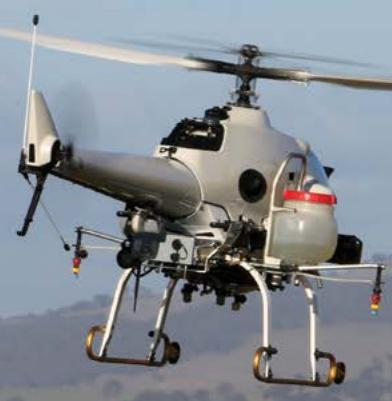
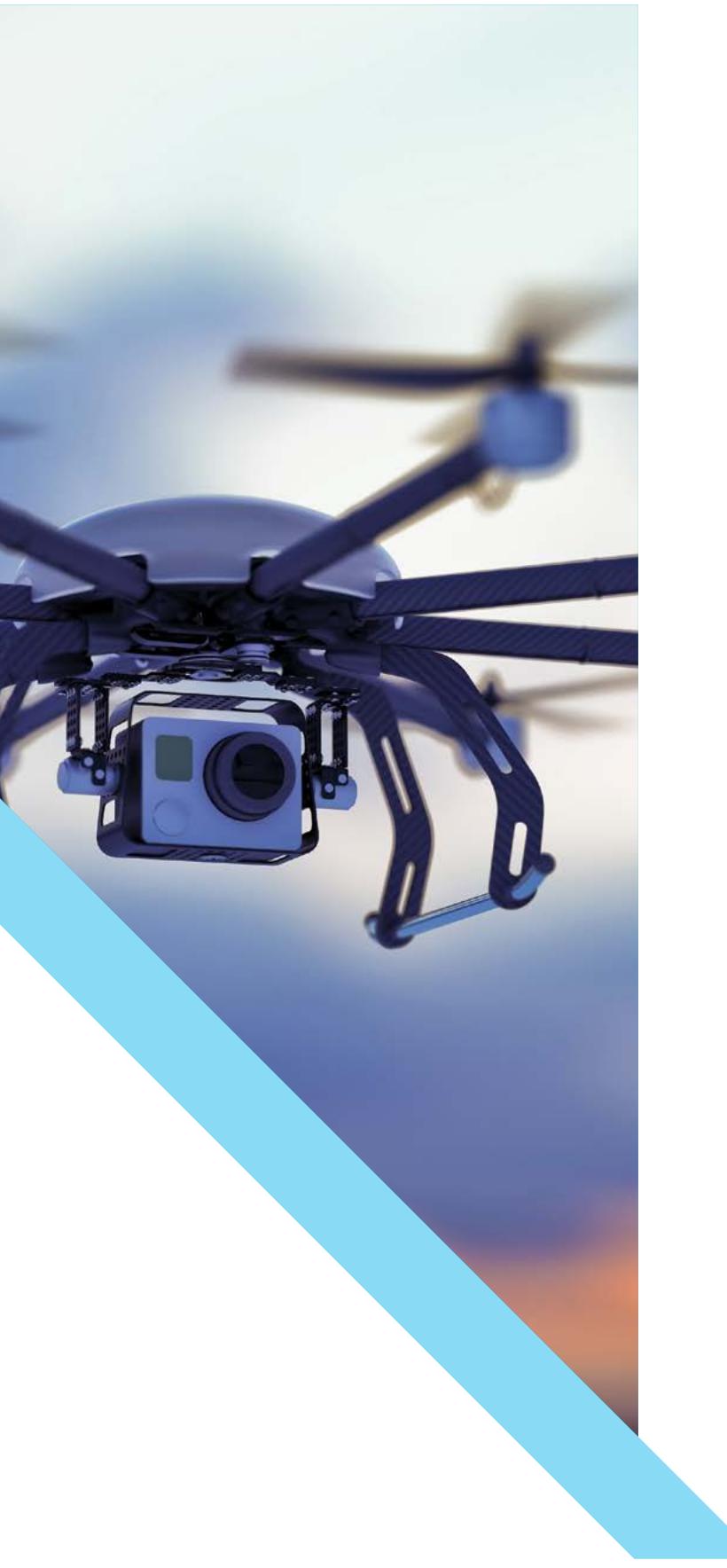
Commonly referred to as drones, RPAS are different from other aircraft because they have no pilot or crew onboard.
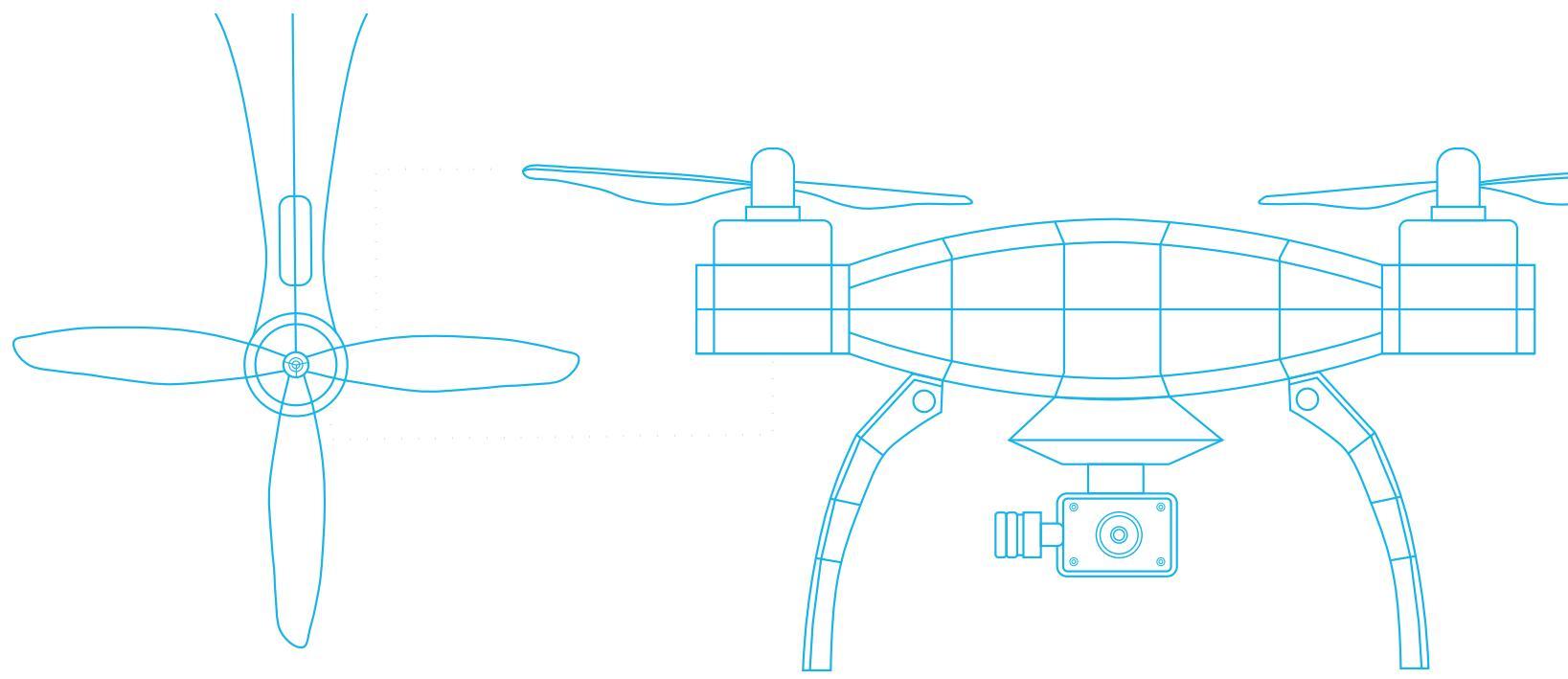
The term ‘RPAS’ is commonly used to refer to the aircraft itself, but the term also includes all components of the system required for an operation. This includes:
ground control stations
telemetry and communications
sensors
other hardware and software used to operate the aircraft.
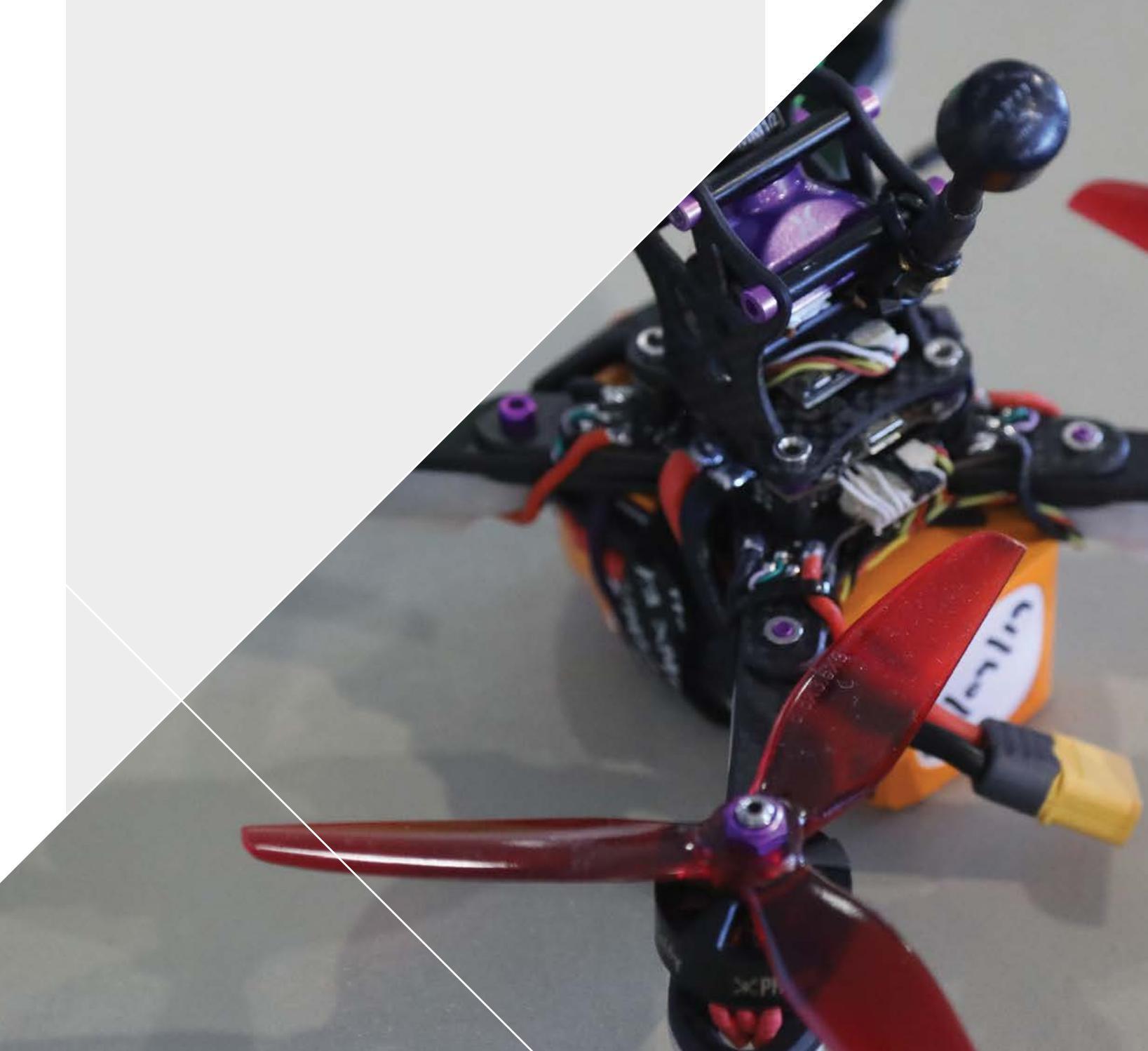
While there isn’t a globally agreed definitional difference between RPAS and AAM, for the purpose of this roadmap RPAS refers to operations that use smaller aircraft with no passengers onboard.
## What is AAM?
AAM describes a range of aircraft types (both crewed and uncrewed) which will transport passengers and larger freight.
The ongoing advancement in this sector are a flow on from the progress being made in:
hybrid and electrification of propulsion systems
energy storage
lightweight materials
digitalisation
automation.
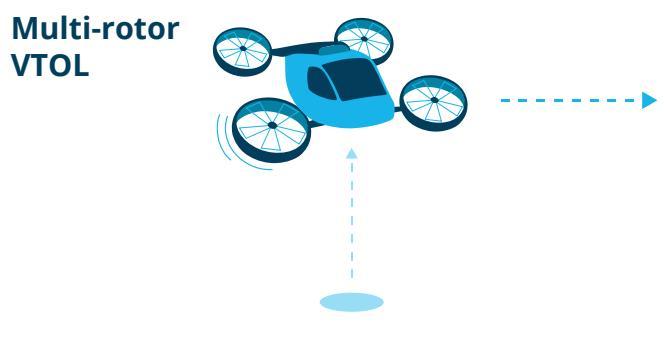
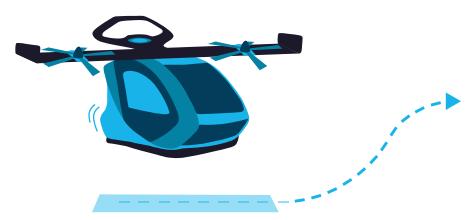
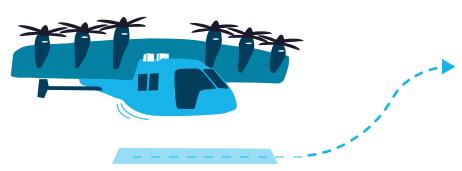
These innovations have made possible an array of new vehicle types spanning multi-rotor, tilt wing, tilt-rotor, powered wing, offering short take-off and landing (STOL) through to vertical take-off and landing (VTOL) capabilities.
The performance and level of automation of these types varies a lot, with different AAM concepts largely falling into 2 operational sub-categories:
Urban air mobility (UAM) – short to medium range and endurance designed for low altitude point-to-point passenger or cargo carrying tasks in, and between, urban areas.
Regional air mobility (RAM) – short to medium range and endurance designed for low altitude point-to-point passenger or cargo carrying tasks between regional areas.
# Challenges and principles
The RPAS and AAM sectors are rapidly evolving. While the roadmap charts a long-term vision for the safety regulation of these sectors, there remains significant uncertainty about the longer-term needs of these sectors.
The defining challenges of the RPAS and AAM sectors are:
Diversity – the sector spans aircraft of unique types, of all sizes, and with varying degrees of complexity.
Pace of innovation – these sectors are rapidly evolving, and there is a high pace of innovation across technology and concepts of operation.
Scale – the number of RPAS operating in Australia is greater than the number of existing airspace users combined. The size of the AAM sector is expected to follow a similar trend to RPAS.
Disruptive – these technologies differ from traditional approaches to aviation. The aviation ecosystem will need to adapt to accommodate these technologies and ensure their safe integration.
## Autonomy – automation and human
machine interactions are expected to be important in supporting sector growth, however these technologies also pose great regulatory challenges that need to be monitored and addressed.
To address the challenges posed by these sectors, the activities in the roadmap are guided by the following principles:
Safety first – safety must be placed first. The roadmap has been designed to deliver acceptable levels of safety performance for all aviation operations.
Risk and outcome-based – greater flexibility is achieved through a legislative structure that is outcome-based. Regulations should not prescribe solutions. Regulation and oversight should also be proportionate to the safety hazards and associated risks being managed.
## Adaptive and scalable – the legislative
structure needs to be able to respond to changing risk profiles and the dynamic needs of evolving sectors. It should also account for the size of the sector and pragmatic constraints, such as available regulatory resources.
## Progressive and internationally aligned
– the regulatory framework will be phased in its development and implementation, while remaining consistent with a longerterm vision. It should seek to align with, adopt or adapt international standards and regulations where beneficial in the Australian context. It should also consider appropriate alignment with Australia’s defence aviation safety regulations.
## Balanced and socially responsible –
the framework should achieve the required safety outcomes with consideration for the cost burden imposed on industry, while also accounting for broader community interests and expectations.
## Developing the roadmap
The Department of Infrastructure, Transport, Regional Development and Communications (DITRDC) released the NEAT Policy Statement on 6 May 2021. This statement tasked CASA with producing a safety regulatory roadmap on RPAS and AAM. The purpose of this roadmap is to set CASA’s policy direction for RPAS and AAM regulations.
CASA developed the initial roadmap with industry experts between July 2021 and January 2022 through the establishment of a technical working group under the Aviation Safety Advisory Panel.
We then invited public comment on the draft roadmap. The consultation was open from 8 March to 19 April 2022.
The roadmap has been developed through this collaborative process to make sure the activities outlined will best support the ambitions of industry while ensuring a safe environment for aviation in Australia.
## Reporting
As the RPAS and AAM industries evolve, the priorities of industry are expected to change in response to new and developing technologies and new operational use cases.
For example, the expected timelines shown in the roadmap may not keep pace with industry and technology developments. So it is important that it is reviewed regularly to make sure it continues to reflect the needs of industry.
CASA is committed to undertaking a review of the roadmap every 18 months in consultation with industry. This will include reporting on the activities already begun or completed along with proposed changes to the roadmap.
In addition, CASA will continue to consult with industry on specific roadmap activities. We will also use coordinated approaches like ‘regulatory sandboxes’ to facilitate innovative thinking and regulatory arrangements.
## The roadmap
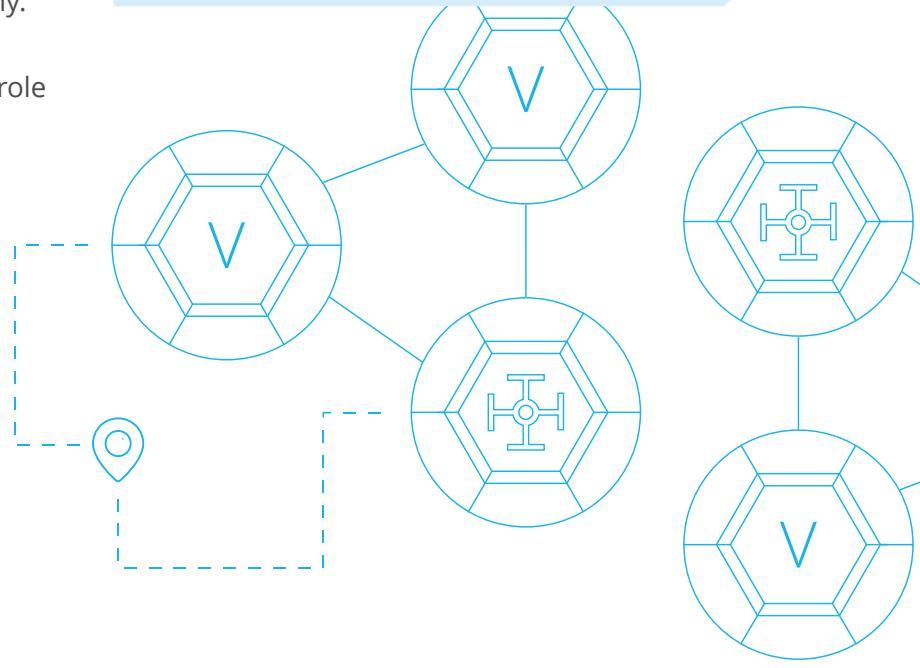
The roadmap has been developed using 6 regulatory areas across 4 time horizons. Details on each of the regulatory areas discussed in the roadmap can be found in the interactive version available at www.casa.gov.au/rpas-aam-roadmap
# Roadmap activities
## Immediate term (2022 to 2023)
## Aircraft and aircraft systems
Publish acceptable industry consensus standards for piloted AAM.
Review applicable maintenance policies for AAM.
Review international frameworks, standards and methods for certification and assurance of RPAS. This includes consideration of adoption of FAA durability and reliability method for low risk RPAS.
Review applicable maintenance policies for RPAS.
Publish guidance on the evidence requirements from the OEM versus the operator for RPAS operational approvals.
## Airspace and traffic management
Through the AFAF, develop a transparent, consistent, and scalable method to manage Australian airspace that supports RPAS and AAM integration.
Research how existing separation standards may apply to RPAS and AAM. Identify future changes required including conspicuity and equipage considerations.
Review existing flight rules against the future needs for RPAS and AAM.
Work with DITRDC and Airservices Australia to develop a regulatory oversight framework for UTM.
## Operations
Develop and publish further guidance material for RPAS operations already enabled in existing regulation including acceptable means of compliance.
Develop and publish guidance material for approval of research and development operations.
Review and publish guidance on the carriage of dangerous goods by RPAS.
Implement regulatory changes from the post implementation review of CASR Part 101.
Conduct a gap analysis of CASR parts to identify regulatory changes required to support RPAS and AAM operations.
Publish more standard scenarios and SORA guidance for low risk RPAS operations and emergency services.
Talk with model aircraft, drone sport and recreation flyers to find opportunities for improved collaboration and consultation.
## Infrastructure
Develop guidance material, design requirements and regulations for vertiports and other infrastructure required to support AAM operations.
Develop guidance for infrastructure required to support research and development activities.
Work collaboratively across government to understand and establish spectrum requirements for RPAS and AAM.
Work with DITRDC to set up the National drone detection network and support all safety aspects of the infrastructure planning framework.
## People
Review current RePL requirements and consider renewal or currency requirements, class and type ratings, and endorsements.
Engage with international aviation safety regulators to identify options for aligning RPAS training and licensing requirements.
Review the competency and training requirements of operationally critical people involved in RPAS and AAM operations to identify future regulatory change needs.
Consider medical standards for RPAS and AAM operators.
Review and implement an alternative training and examination pathway for remote pilots conducting beyond visual line of sight operations.
Implement accreditation requirements for model aircraft users.
## Safety and security
Publish SMS guidance materials for RPAS operations.
Set up RPAS focused safety education activities to promote CASA’s ‘just culture’ philosophy.
Engage with law enforcement and other agencies to build understanding of their role in the enforcement of RPAS regulations.
Consider data collection and uses to improve safety results.
Engage with other government agencies to understand and find RPAS and AAM cybersecurity risks.
Publish acceptable cybersecurity standards for RPAS and AAM.
## Supporting Activities
## Regulatory sandboxes
CASA will use regulatory sandboxes to work with industry to test and understand novel products, services and concepts, and identify and assess new risks, in a safe, controlled and time-limited environment to inform development of RPAS and AAM regulations.
## Digital enablement
Digital tools and technologies will be used across all regulatory areas to reduce application and assessment effort and improve processing times. Digital infrastructure and data reliability and capabilities will be developed to support RPAS and AAM technologies.
## Community
Alongside industry and other government agencies, CASA will continue to play a role in building community understanding and promoting engagement between operators and the communities in which they operate.
## Near term (2023 to 2026)
## Aircraft and aircraft systems
Publish acceptable industry consensus standards for single aircraft single operator, and multiple aircraft single operator for AAM.
Publish acceptable industry consensus standards for remotely piloted AAM.
Publish acceptable industry consensus standards for multiple aircraft, single operator for RPAS.
## Airspace and traffic management
Develop an implementation plan for airspace modernisation that is flexible, scalable and supports all airspace users.
Begin initial implementation to ease identified risks and support RPAS and AAM airspace integration.
Carry out an analysis to understand the crossover point from self-separation to a ‘managed’ environment.
Consider new separation standards, that use new technologies, for RPAS-to-RPAS and RPAS-to-AAM.
Consider standardised requirements for RPAS in controlled airspace.
Consult with all airspace users on the appropriateness of proposed rules for RPAS and AAM.
Develop standards and capabilities to support the implementation of low level traffic management systems for RPAS.
Consider regulatory requirements for integrating air traffic management systems.
Develop airspace requirements for vertiport operations.
## Operations
Develop guidance on the operational approval requirements for AAM operations, including operations which are remotely piloted and pilot-on-board.
Develop standards for international RPAS and AAM operations.
Review existing approval and oversight processes to make sure they are proportionate to the risk and complexity of operational activities.
## Infrastructure
Implement a regulatory framework to support RPAS and AAM infrastructure (for example vertiports, vertipads).
Develop certification requirements for infrastructure and infrastructure related equipment.
Develop a regulatory framework for the operation of research and development infrastructure.
## People
Implement regulatory and system changes following the review of RePL requirements.
Align RPAS training and licensing requirements with international standards.
Update regulations to support new licensing requirements.
Implement standard training and licensing requirements for personnel involved in piloted passenger carrying AAM.
Review radio operator competency requirements for remote pilots.
## Safety and security
Develop SMS and human factor policies that are proportionate to risk and complexity.
Consider and implement a tiered requirement for SMS for RPAS and AAM operators.
Coordinate with enforcement agencies and revise CASA’s enforcement manual.
Work with DITRDC to provide transparent, reporting on RPAS enforcement actions to promote corrective actions and lessons learned.
Continue to work with industry associations to promote key safety lessons from available data.
## Medium term (2026 to 2031)
## Aircraft and aircraft systems
Make sure certification standards are internationally harmonised for AAM.
Publish acceptable industry consensus standards for highly automated RPAS.
## Airspace and traffic management
Continue airspace modernisation to support RPAS and AAM integration into all airspace environments.
Develop new separation requirements to support and use improving technologies such as autonomy.
Review and update rulesets with respect to integration, global approaches, and requirements for increasing levels of autonomy.
Develop an integrated traffic management framework to support all airspace users.
## Operations
Integrate RPAS operational requirements into relevant CASR parts for operations outside the scope of Part 101.
Apply changes required to support operational requirements for AAM.
Mature risk calculation methods used for determining operational categories using data, artificial intelligence and/ or quantitative methods.
## Infrastructure
Regulate operator training and requirements for infrastructure operators.
Regulate equipage requirements for infrastructure operators.
## People
Develop a specific set of outcome-based standards for RePL training on large type RPAS.
Implement standard training and licensing requirements for personnel involved in remotely piloted and optionally piloted passenger carrying AAM.
Introduce updated licensing requirements needed for RPAS and AAM operations factoring in the increasing levels of automation and autonomy.
## Safety and security
Apply streamlined processes for the approval of SMS for RPAS and AAM operators.
Continue to promote an understanding of ‘just culture’ across the RPAS and AAM sectors.
Coordinate the approach to enforcement between enforcement authorities.
Civil Aviation Safety Authority The RPAS and AAM Strategic Regulatory Roadmap 11
## Long term (2031 to 2036)
## Aircraft and aircraft systems
Publish acceptable industry consensus standards for highly automated AAM.
## Airspace and traffic management
Develop and implement airspace structures to support all airspace users in a seamless airspace environment.
Develop standards and capabilities to support cooperative participation and levels of self-separation between all airspace users.
## Infrastructure
Mature regulations and approval processes to support RPAS and AAM related infrastructure.
## People
Implement standard licensing and training requirements for AAM dispatchers.
## Safety and security
Continue to carry out safety education and promotion activities to embed a positive safety culture.
## Glossary
| AAM | Advanced air mobility |
| AFAF | Australian future airspace framework |
| CASA | Civil Aviation Safety Authority |
| CASR | Civil Aviation Safety Regulations |
| DITRDC | Department of Infrastructure, Transport, Regional Development and Communications |
| NEAT | National Emerging Aviation Technologies |
| OEM | Original equipment manufacturer |
| RAM | Regional air mobility |
| RePL | Remote pilot licence |
| RPAS | Remotely piloted aircraft systems |
| SMS | Safety management system |
| SORA | Specific operations risk assessment |
| TWG | Technical working group |
| UAM | Urban air mobility |
| UTM | Uncrewed aircraft systems traffic management |
## CASA National Headquarters
Aviation House 16 Furzer Street Phillip ACT 2606
GPO Box 2005
Canberra ACT 2601